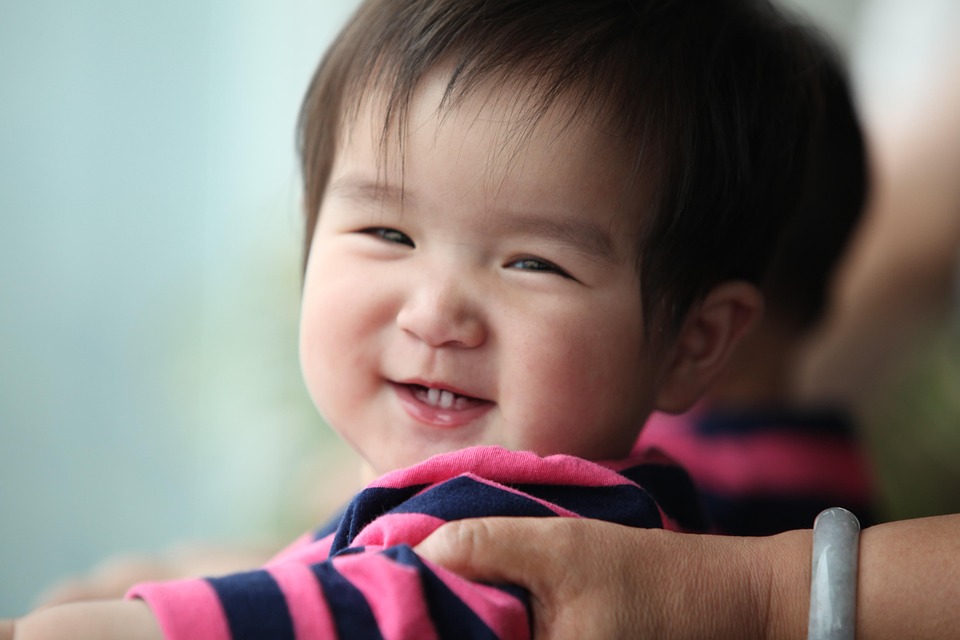
Caring for a baby’s hair is an important aspect of their overall health and wellness. While infants may have little to no hair or a full head of it, ensuring proper care can promote healthy hair growth and maintain the delicate balance of their sensitive scalp. This article provides essential tips for optimal baby hair care, addressing common concerns and offering practical advice to help you navigate this tender aspect of childcare.
Understanding Baby Hair
Babies are born with varying amounts and types of hair, largely influenced by genetics. Some infants may have a thick head of hair, while others might have only a few wisps. Newborn hair, often called “lanugo,” may fall out in the first few months, making way for new growth. This is perfectly normal and should not be a cause for concern. Understanding these natural changes can help parents manage their expectations and care routines effectively.
Gentle Washing Techniques
Washing a baby’s hair doesn’t need to be a daily ritual. In fact, washing two to three times a week is sufficient for most infants. Over-washing can strip the natural oils from the scalp, leading to dryness and irritation. Here’s how to wash your baby’s hair gently:
1. **Use a mild baby shampoo:** Choose a shampoo specifically formulated for babies. These shampoos are typically tear-free and gentle on the scalp.
2. **Temperature control:** Ensure the water is lukewarm, as the baby’s skin is more sensitive to temperature.
3. **Apply minimal shampoo:** Use only a small amount of shampoo, and lather it gently with your hand.
4. **Rinse thoroughly:** Make sure to rinse all the shampoo out to avoid any residue that could irritate the scalp.
5. **Pat dry:** Use a soft towel to pat the hair dry rather than rubbing it, which can cause breakage.
Moisturizing and Conditioning
While newborns typically do not require conditioner, once your baby grows older and their hair becomes thicker, you might consider using a gentle conditioner. Here’s how to keep the hair and scalp moisturized:
1. **Natural oils:** A few drops of natural oils like coconut or almond oil can be massaged into the scalp to maintain moisture. These oils can also help alleviate cradle cap, a common condition that causes dry, flaky skin on the scalp.
2. **Conditioning:** Use a baby-friendly conditioner if necessary, focusing on the ends rather than the scalp.
3. **Avoid adult products:** Adult hair care products can be too harsh for a baby’s delicate scalp and hair.
Combing and Brushing
Regular combing or brushing not only helps keep the hair tidy but also stimulates the scalp and can be soothing for the baby. Here are some tips for combing and brushing:
1. **Choose the right tool:** Use a soft-bristled baby brush or a wide-toothed comb to detangle gently.
2. **Be gentle:** Babies have sensitive scalps, so be gentle to avoid discomfort or hair breakage.
3. **Regular sessions:** Make combing and brushing a regular part of your routine, ideally after washing or when the hair is slightly damp to minimize tangles.
Dealing with Common Hair Issues
Babies can experience various hair and scalp issues. Understanding them can help in managing them effectively:
Cradle Cap
Cradle cap appears as crusty or oily patches on the scalp. It’s common and generally harmless. To manage cradle cap:
– Gently massage a small amount of baby oil onto the scalp to loosen the flakes.
– Wash the hair with a mild shampoo, and use a soft brush to remove the loosened flakes.
Hair Loss
Hair loss in infants is common and usually temporary. If you notice excessive hair loss or bald patches, consult a pediatrician to rule out any underlying conditions.
Tangled Hair
If your baby has longer hair, tangles can be an issue. Use a detangling spray formulated for babies, and always comb gently.
Environmental Considerations
The environment can significantly impact your baby’s hair health. Here are some factors to consider:
1. **Sun protection:** If your baby has hair, protect it from sun damage by using a hat or baby-safe sunscreen on the scalp.
2. **Humidity:** Keep the baby’s hair and scalp hydrated in dry climates. Conversely, if you live in a humid area, ensure the hair remains dry to prevent fungal infections.
3. **Hygiene:** Keep your baby’s bedding and hats clean to prevent scalp infections.
Diet and Nutrition
Although hair care products play a role, nutrition is equally important in promoting healthy hair growth. Ensure your baby receives a balanced diet rich in essential vitamins and minerals. For infants, breast milk or formula will provide necessary nutrients, while older babies should receive a variety of foods to support overall health.
When to Seek Professional Advice
While most hair and scalp issues can be managed at home, some situations require professional advice. Consult a pediatrician if:
– The baby experiences persistent scalp irritation or infection.
– There is no improvement in hair health despite following proper care routines.
– The baby shows signs of nutritional deficiencies that could affect hair growth.
Conclusion
Optimal baby hair care involves gentle washing, moisturizing, and regular combing or brushing. Understanding the unique needs of your baby’s hair and scalp can help prevent common issues and promote healthy growth. By following these essential tips and paying attention to environmental factors and nutrition, you can ensure your baby’s hair remains healthy and beautiful. Remember, every baby is different, so it’s important to tailor your hair care routine to your child’s specific needs.
#ChatGPT assisted in the creation of this article.