Welcome to the exciting journey of parenthood! One of the most important aspects of caring for your newborn is ensuring they are well-fed and nourished. With countless opinions and sources of information available, it can be overwhelming for new parents to determine the best feeding practices for their baby. This comprehensive guide aims to simplify the process by providing a clear and practical baby feeding chart to help you navigate your baby’s nutritional needs from birth through their first years of life.
Understanding Baby Nutrition
Before diving into specifics, it’s essential to understand the nutritional needs of your baby. In the first few months, a baby’s digestive system is still developing, and their nutritional requirements are unique compared to older children and adults. Babies need a balanced intake of carbohydrates, proteins, fats, vitamins, and minerals to support their rapid growth and development.
The Role of Breast Milk and Formula
Breast milk is often considered the gold standard for infant nutrition, providing the perfect balance of nutrients along with antibodies that help boost the baby’s immune system. The World Health Organization (WHO) recommends exclusive breastfeeding for the first six months of life, followed by continued breastfeeding along with appropriate complementary foods for up to two years or beyond.
For parents who are unable or choose not to breastfeed, infant formula serves as a suitable alternative. Modern formulas are designed to closely mimic the nutritional profile of breast milk, ensuring infants receive the necessary nutrients for healthy growth and development.
Baby Feeding Chart: A Month-by-Month Guide
0-4 Months: Breast Milk or Formula
During the first four months of life, your baby will rely solely on breast milk or formula for nutrition. Newborns typically feed every 2-3 hours, consuming about 1.5 to 3 ounces per feeding. As your baby grows, the quantity will gradually increase. Remember to feed on demand, watching for hunger cues such as rooting, sucking motions, or fussiness.
4-6 Months: Introducing Solids
Around four to six months, most babies begin showing signs of readiness for solid foods, such as sitting up with support, showing interest in food, and the ability to swallow. Start with single-grain cereals like rice or oatmeal mixed with breast milk or formula. Begin with small amounts, gradually increasing as your baby becomes more comfortable.
6-8 Months: Expanding the Menu
At this stage, you can introduce a variety of pureed fruits and vegetables such as bananas, sweet potatoes, and peas. Continue breastfeeding or formula feeding while gradually offering solids. Aim for two to three meals per day, each consisting of a few tablespoons of food. Pay attention to any allergic reactions, introducing new foods one at a time.
8-10 Months: Exploring Textures
As your baby becomes more adept at eating, you can introduce soft, mashed foods and small pieces of finger foods. Offer a variety of fruits, vegetables, grains, and proteins, such as mashed beans or small pieces of cooked chicken. Continue to provide breast milk or formula, aiming for three meals and two snacks per day.
10-12 Months: Transitioning to Family Meals
By their first birthday, most babies can eat a variety of foods and join family meals. Offer small pieces of soft foods, ensuring they are easy to chew and swallow. Encourage self-feeding with finger foods and a small spoon. Breast milk or formula should still be a significant part of their diet, with three meals and two to three snacks daily.
Signs Your Baby is Hungry or Full
Understanding your baby’s hunger and fullness cues is crucial for responsive feeding. Look for signs such as:
- Hunger: Rooting, opening mouth, fussiness, sucking on hands.
- Fullness: Turning away from the breast or bottle, closing mouth, becoming distracted or playful.
Common Feeding Challenges
Dealing with Picky Eating
It’s normal for babies to show preferences or hesitation towards certain foods. Encourage a positive eating environment by offering a variety of foods and allowing your baby to explore textures and flavors without pressure. Repeated exposure often helps in accepting new foods.
Managing Allergies
Introduce allergenic foods such as peanuts, eggs, and dairy slowly and one at a time, while observing for any adverse reactions. Consult your pediatrician if you have concerns about food allergies, especially if there is a family history.
Tips for Successful Baby Feeding
Create a Routine
Establishing a feeding routine helps your baby develop healthy eating habits. Try to offer meals and snacks at consistent times each day, while being flexible to accommodate your baby’s cues.
Ensure a Safe Feeding Environment
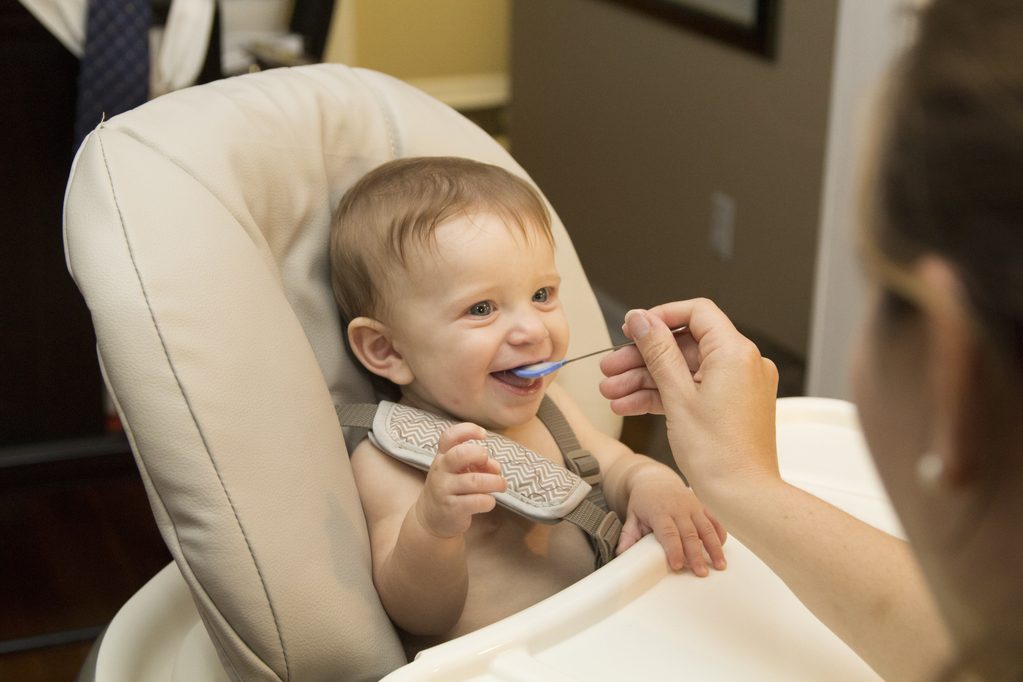
Always supervise your baby during meals to prevent choking. Ensure they are seated upright in a high chair and avoid offering foods that pose a choking hazard, such as whole grapes or nuts.
Encourage Self-Feeding
Allow your baby to practice self-feeding with finger foods and utensils. This not only promotes independence but also enhances their motor skills and hand-eye coordination.
When to Consult a Pediatrician
While most feeding issues can be managed at home, there are times when professional guidance is necessary:
- If your baby consistently refuses to eat or drink.
- If you notice any signs of food allergies or intolerances.
- If your baby is not gaining weight or growing as expected.
- If you have any concerns about your baby’s feeding habits or nutrition.
Conclusion
Feeding your baby is a rewarding experience that fosters bonding and lays the foundation for lifelong healthy eating habits. By following this ultimate baby feeding chart guide, you can feel confident in providing the best nutrition for your little one. Remember, every baby is unique, and it’s essential to be responsive to their individual needs. Enjoy this special time and embrace the joy of watching your baby grow and thrive.
#ChatGPT assisted in the creation of this article.