Welcoming a new baby into your family is a joyous occasion, but it also comes with a host of responsibilities, especially when it comes to ensuring your little one’s health and well-being. Among these responsibilities, maintaining proper hygiene is paramount. Babies have delicate immune systems, and as such, they are more susceptible to infections and illnesses. This article will guide new parents through essential baby hygiene tips to keep their newborns healthy and happy.
Hand Hygiene
Importance of Clean Hands
One of the simplest yet most effective ways to prevent the spread of germs is through proper hand hygiene. Parents, caregivers, and anyone who handles the baby should wash their hands thoroughly with soap and water before touching the baby. This practice is crucial, especially after changing diapers, before feeding, and after coming from outside.
How to Wash Hands Properly
Ensure that you wash your hands for at least 20 seconds, covering all areas, including the back of the hands, between the fingers, and under the nails. Use a hand sanitizer with at least 60% alcohol if soap and water are not available.
Bathing Your Baby
Frequency of Baths
Newborns do not require daily baths. In fact, bathing your baby two to three times a week is sufficient unless they get particularly dirty. Overbathing can dry out their sensitive skin.
Bathing Tips
When you do bathe your baby, make sure the room is warm and gather all necessary supplies beforehand. Use a mild, tear-free baby cleanser and a soft washcloth. Gently clean their body, paying special attention to creases and folds where dirt can accumulate. Never leave your baby unattended in the bath.
Diapering
Changing Diapers Regularly
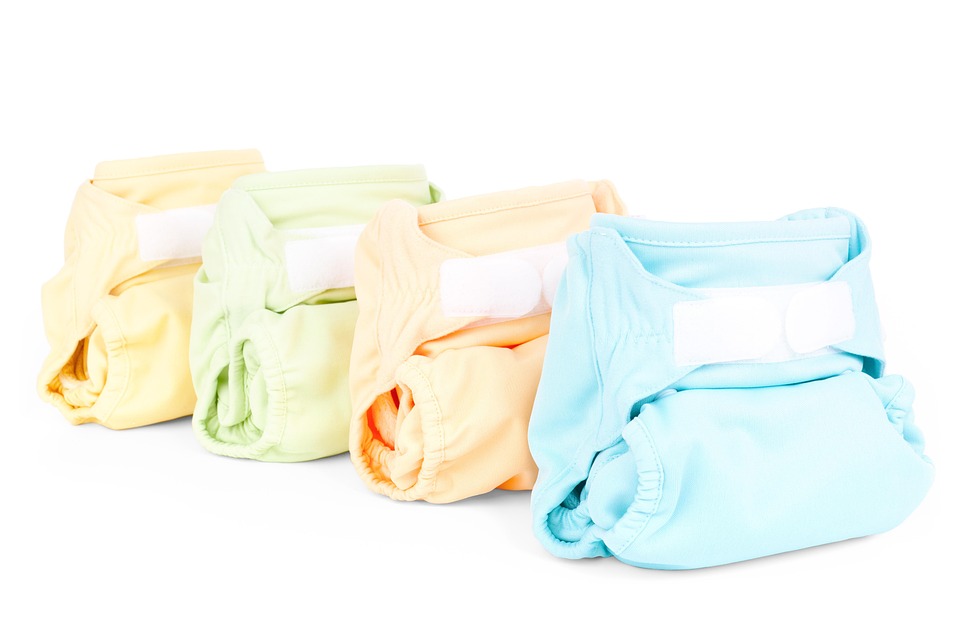
Babies need their diapers changed frequently to prevent diaper rash and discomfort. Check their diaper every few hours and change it promptly when wet or soiled.
Cleaning During Diaper Changes
When changing diapers, clean the baby’s bottom thoroughly with unscented wipes or a damp washcloth. Pat dry with a clean towel to prevent moisture from causing irritation. Allow the area to air dry for a few moments before putting on a fresh diaper.
Cleaning Baby Bottles
Proper Bottle Cleaning
Feeding bottles need to be cleaned thoroughly after each use to prevent the growth of harmful bacteria. Wash bottles, nipples, and other feeding equipment in hot soapy water, rinse them well, and sterilize them at least once a day.
Sterilizing Methods
There are several methods to sterilize baby bottles, including boiling, using an electric steam sterilizer, or microwave sterilizing bags. Choose a method that works best for your family and ensure all components are fully dry before reassembling.
Cleaning Toys and Surfaces
Sanitizing Toys
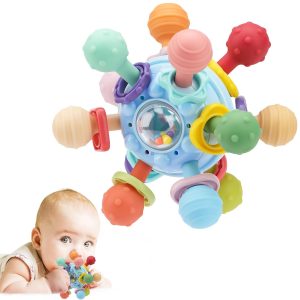
Toys are a breeding ground for germs, especially those that your baby frequently puts in their mouth. Regularly clean toys with warm soapy water and rinse them thoroughly. For plastic toys, consider using a dishwasher if they are dishwasher safe.
Disinfecting Baby’s Environment
Keep your baby’s environment clean by regularly wiping down surfaces with baby-safe disinfectants. This includes changing tables, high chairs, and play areas. Ensure that cleaning products are out of reach from children.
Oral Hygiene
Caring for Gums and Teeth
Even before your baby has teeth, it’s important to maintain oral hygiene. Gently wipe their gums with a clean, damp cloth after feedings. Once teeth appear, use a soft baby toothbrush and a tiny smear of fluoride toothpaste to brush them twice a day.
Importance of Oral Care
Early oral hygiene habits set the stage for healthy teeth and gums as your child grows. It also helps prevent early childhood cavities and other dental issues.
Maintaining a Clean Sleeping Area
Safe Sleep Practices
Ensure that your baby’s sleeping area is clean and free from dust and allergens. Use a firm mattress with a fitted sheet and avoid placing soft toys or loose bedding in the crib to reduce the risk of Sudden Infant Death Syndrome (SIDS).
Regular Linen Changes
Change your baby’s bed linens regularly, especially if they become soiled. Wash them in gentle, fragrance-free detergent to prevent skin irritation.
Conclusion
Adhering to these essential baby hygiene tips will help protect your child from infections and promote their overall health and wellness. Remember, establishing a hygiene routine early on will not only benefit your baby but also set a foundation for healthy habits as they grow. Stay informed, stay prepared, and enjoy the precious moments with your little one.
#ChatGPT assisted in the creation of this article.